At the family party, my sister called me “the family failure.” Her boss only smiled and said…
A shocking family revenge unfolds when Mariama Brooks exposes her half-sister Skyler for stealing five years of marketing campaigns. What begins as a tense birthday barbecue turns into a public showdown—Skyler’s boss, secretly Mariama’s subordinate, fires her on the spot. This gripping family drama reveals deep-seated favoritism, betrayal, and corporate theft within an Oklahoma oil-marketing empire.
Skyler, the golden child, crumbles as evidence proves she plagiarized Mariama’s award-winning ideas to climb the media ladder. Desperate, their father attempts a,000 bribe using embezzled charity funds—only for youngest sister Tate to expose him via video call. The fallout? Skyler blacklisted forever, Dad on three-year probation, stepmom Tina filing for separation.
Mariama walks away, burning letters, blocking numbers, and relocating to Denver. This powerful sisters revenge story shows how one woman turns pain into strength, proving blood doesn’t justify betrayal. A raw, emotional journey of family stories where justice prevails over manipulation. If you love intense family drama sisters and revenge stories that end in empowerment, this is your must-watch.
My name is Marama Brooks and at the family dinner, my sister called me the family failure. Her boss just smiled and said, “The backyard in Edmund smelled of barbecue ribs and cheap wine. Balloons floated above the picnic tables red and gold for dad’s birthday. Everyone wore practiced smiles except me.”
I stood by the grill, arms crossed, watching my sister Skyler, dad’s daughter with Tina, pull her boss over like she was showing off a prize. She slipped her arm through his and announced to the table, “This is the failure of our family.” Laughter followed—Tina’s shrill giggle. Dad’s deep laugh. Cousins nodding along. Every gaze turned to me. The clinking of silverware stopped. Even the clinking of glasses stopped. Her boss stayed silent, hands in his pocket, studying them. Then he tilted his head, a faint smile forming. “Interesting,” he said evenly. “because you’re fired.”
Skyler’s grin froze. The yard went still. “Have you ever been humiliated by your own family by someone who was supposed to have your back? Share your story below.” I read every single one.
I pulled into the driveway of the old house in Edmund, the one dad had kept all these years. The porch light still flickered, and the mailbox leaned the same way. I grabbed the empty boxes from the trunk and stepped inside, the screen door creaking behind me.
Mom’s things sat stacked in the corner of the guest room, each box labeled in her neat handwriting. I knelt down and started sorting: old recipe cards, photo albums, a scarf she wore every winter. That’s when I found a small velvet pouch tucked inside a cookbook. Inside was a USB drive, no label, just a tiny silver thing I’d never seen before.
I plugged it into my laptop right there on the floor. Files appeared—campaign briefs, mood boards, taglines I’d written 5 years ago for an oil client. My stomach dropped. Every single one had been reused word for word, image for image, but credited to someone else at OKC Channel 9. That someone else was my sister, Skyler Brooks, dad’s daughter with his second wife, Tina.
Tate Brooks, their youngest, was 19 now, away at college most of the time. Growing up, though, it was always Skyler and Tate who got the spotlight. I was the leftover from mom’s first marriage, the one they tolerated but never embraced.
Mom, my real mom, Linda, died when I was 17. Breast cancer—fast and brutal. One day she was teaching me how to make her famous cornbread and the next she was gone. Dad remarried Tina 6 months later. Tina came with Skylar, who was 11 then, all curls and confidence. Tate arrived 2 years after that. From the start, the rules were different.
Skyler got ballet lessons, new clothes every season, a car on her 16th birthday—a red Mustang parked right where I stood now. I got handme-downs and a bus pass. Tina packed Skyler’s lunches with little notes and heart-shaped sandwiches. mine a peanut butter sandwich in a brown bag if I was lucky.
Dad Marcus never corrected it. He’d ruffle Skyler’s hair and say, “That’s my girl,” while I washed dishes or mowed the lawn to earn gas money. When I needed braces, Tina said we couldn’t afford them. Two months later, Skyler got invisal line. I learned early that asking got you silent, so I stopped asking.
College was the breaking point. I’d been accepted to the University of Oklahoma on a partial scholarship. Dad sat me down and said the family budget was tight. Tina wanted Skyler in private school and Tate needed braces now, too. My scholarship didn’t cover housing, so I had to commute an hour each way on the bus. I did it for two semesters, working nights at a diner and sleeping 4 hours a night.
Skyler—she got a dorm room, a meal plan, and spending money. Dad bragged about her journalism classes while I carried trays of greasy fries. When I finally dropped out to work full-time, Tina told the neighbors I couldn’t handle the pressure. Dad just nodded. I moved out at 20 into a studio above a laundromat. No goodbye party, no help with rent. Skyler texted me, “Guess you’re on your own now.” Tate was only eight then, but even she knew the score. She waved from the window as I loaded my duffel bag into a friend’s car.
Years passed. I built something from nothing. Skyler coasted. Tate watched. Tina cooked separate dinner—steak for her girls, canned soup for me when I visited, which wasn’t often. Dad managed the local charity fund, always preaching family values at events while ignoring the daughter who paid her own way.
The USB sat open on the screen—proof in black and white. every idea I’d poured myself into in that cramped studio. Every late night, every skipped meal stolen and used by the sister who’d been handed everything. I closed the laptop and stared at the pouch in my hand. Mom had kept this. She’d known.
The next morning, I called Ila. Ila Reed had been my freshman year roommate, the one who taught me how to stretch $5 for a week. She picked up on the second ring—voice, Raspby from a late shift. I told her I needed help with something digital, but gave no details. She said to come over. Coffee was on.
Her apartment sat above a tire shop on the edge of downtown OKC, about 20 minutes from Edmund. I parked behind a stack of retreads and climbed the metal stairs. She opened the door in sweats, hair in a messy bun, and handed me a mug that said, “World’s designer.”
We sat at her kitchen table, laptop between us. I slid the USB across. She raised an eyebrow but plugged it in without a word. Files loaded. She scrolled, eyes narrowing, then let out a low whistle.
“These are yours?” she said—not a question.
I nodded. “Every single one.”
She leaned back, arms folded. “You want me to trace the metadata?”
“That’s why I’m here.”
Ila worked fast, pulling timestamps, cross-referencing file paths, matching fonts and hex codes. By the time the coffee went cold, she had built a timeline—5 years of my work uploaded to OKC Channel 9’s server under Skyler’s login. The same Skyler who thought I was still waiting tables.
I stared at the screen. My first big break had come at 22—Freelancing for a small rig outside Norman. The owner paid in cash and a tank of gas. I’d designed a safety campaign that cut accidents by 30%. Word spread. More gigs followed—drilling firms, pipeline startups, refineries. I learned to pitch, negotiate, and close.
At 25, I registered Brookline Energy Creative out of a co-working space in Bricktown. One desk, one chair, one dream. I hired my first employee 6 months later, a junior copywriter who quit after two weeks. I didn’t blame her. Payroll was late, rent was due, and ramen was dinner. But the work kept coming. I landed a statewide safety contract, then a rebrand for a mid-stream giant. Revenue hit six figures, then seven. I moved the office to a loft near the arena, hired a real team, bought actual furniture.
By 30, Brookline pulled in 12 million a year, serving clients from Houston to Denver. I kept it quiet. No social media, no family updates. Dad asked once what I did. I said marketing. He grunted and changed the subject. Tina assumed I scraped by. Skylar bragged about her producer title at the station, never noticing the parent company listed on her paycheck, Brookline Energy Creative.
Becket Lang ran the OKC branch. I’d hired him three years earlier after he turned a failing pipeline campaign into a regional award winner—sharp, loyal, no ego. He reported directly to me, handled local hires, approved budgets.
Skyler started 6 months ago as a segment producer—entrylevel, low stakes—working under my company without realizing I owned it.
Ila closed the laptop. “You built an empire,” she said. “And your sister’s been pickpocketing it.”
I rubbed my temples. The numbers didn’t lie. Skyler had access because OKC channel 9 was a Brookline subsidiary. She’d logged in with generic credentials, copied files, stripped metadata, and passed them off as her own. Becket never caught it. Why would he? She was just another junior staffer.
I thought about those late nights in that first office—the 2 a.m. client calls, the pitch decks rebuilt from scratch after crashes. Every win had been mine alone. No family money, no safety net, just me, a laptop, and a refusal to quit.
Ila poured more coffee. “What now?”
I looked out her window at the skyline. “Now I decide how this ends.”
Skyler texted that afternoon. Her message appeared while I stared at the skyline from Ila’s window: family BBQ this weekend. Bring dessert. Becket’s coming.
I read it twice, thumbs hovering over the screen. Dessert. like nothing had happened, like she hadn’t just been fired in front of everyone. I set the phone down and reopened the USB files. Ila had exported the metadata into a spreadsheet—columns of dates, file names, and user IDs. The earliest upload traced back 5 years, right after I’d completed the safety campaign for the Norman rig. The client had loved it and requested prints for every site office. Skyler must have seen the mockups when I’d emailed dad a thank you note with photos attached.
Scrolling further, I found a pipeline rebrand I’d pitched to a Houston firm—same color palette, same tagline—now presented as Skyler’s original concept in a Channel 9 segment. Another file showed a fracking awareness series I’d created for a nonprofit grant. She’d replaced my stock images with local footage and aired it under her name.
Ila leaned over my shoulder. “She didn’t even change the font. Kerning,” she muttered. “Lazy.”
I pulled up the server logs. Skyler’s login appeared nightly, usually after 10 p.m.—the same hours she’d claimed to be working late on edits. She’d download my folders, rename them, strip the creation dates, then upload everything to the station’s shared drive. Becket had access to the same system, but never cross-checked credits. Why would he? Producers submitted content all the time.
I cross- referenced each campaign with its air date. Every stolen idea had aired within a week of her uploads. Ratings soared. Sponsors renewed. Skyler earned bonuses, promotions, and a corner cubicle with a window. Meanwhile, I’d been invoicing clients directly, building Brookline piece by piece.
One file stood out—a 30-second spot for a refinery turnaround. I’d spent three weeks crafting it, sourcing B-roll from three states and syncing the voice over to safety stats. Skyler aired it verbatim, except she’d added a laugh track at the end. The client later called to praise our team’s work. I’d thanked them, assuming Beckett had shared credit. I opened the original brief. My signature sat at the bottom, dated. Skyler’s version bore a new footer: produced by Skyler Brooks OKC Channel 9. No mention of Brookline. No mention of me.
Ila exported the evidence into a secure folder, encrypted it, and backed it up on three drives. “This is ironclad,” she said. “IP theft, plagiarism, breach of contract. She’s done.”
I nodded, though my mind raced ahead. Skylar thought Beckett was her mentor—her way up. She had no idea he reported to me. No idea the station operated under my umbrella. No idea the ideas she flaunted were mine. I closed the folder. The barbecue invitation still glowed on my phone. Skyler wanted to play Happy Family to show off her mentor to Dad and Tina. Perfect.
I typed back: I’ll bring the laptop.
The backyard filled up quickly. Dad fired up the grill, smoke curling above the same red and gold balloons from his birthday. Tina arranged trays of kleslaw and cornbread on the picnic tables, wiping her hands on an apron that read, “Kiss the cook.” Tate scrolled through her phone, legs swinging from a lawn chair, glancing up now and then to wave at cousins. Skyler floated between guests, laughing too loud, clutching a beer like a stage prop, her curls bouncing with every step.
I carried the laptop bag over my shoulder, the dessert I was supposed to bring forgotten in the car. Becket arrived in a navy blazer, shaking hands with dad and nodding politely at Tina. Skyler grabbed his arm and steered him toward the center table, her voice cutting through the chatter.
“Everyone, this is my boss, Becket Lang. He’s the reason I’m killing it at the station.”
Dad clapped him on the back. “Hear that? Our girl’s a star.”
Tina beamed. “Finally, someone recognizes talent.”
I set the laptop on the table, flipped it open, and hit play. The screen lit up with sidebyside comparisons—my original briefs on the left, Skyler’s aired segments on the right. Fonts matched perfectly. Taglines were identical. Timestamps glowed red, showing upload dates under her login.
The noise faded. Forks froze midair. A cousin stopped midbite, potato salad dangling from his fork. Skyler’s smile faltered. “What is this?”
Becket leaned closer, scrolling through the files, his expression hardening with every click. Dad squinted at the screen. Tina’s hand flew to her mouth, twisting her apron in silence.
I kept my voice steady. “5 years of my campaign stolen and aired under her name.”
Skyler lunged for the laptop. “Turn it off. That’s Private—”
Becket stepped between us. “private. This is company property.” He looked around the table, voice sharp and clear. “For the record, I don’t run OKC Channel 9. I manage the local branch for Brookline Energy Creative.”
Tina blinked. “Brooklyn what?”
Dad frowned. “Never heard of it.”
Becket turned to me, calm and deliberate. “Marama owns the parent company. I report directly to her.”
The silence was instant and absolute. Tate dropped her phone, the screen cracking against the patio stones. Dad’s tongs clattered on the grill, sending sparks into the air. Tina’s tray slipped from her hands, cole slaw splattering across the grass. Skyler spun toward me, face drained of color.
“You— You’re my boss.”
I met her gaze. “Always have been.”
Beckett pulled a folder from his blazer—printed logs, highlighted uploads, metadata, reports. He handed copies to Dad, Tina, and anyone with a trembling hand reaching for the truth. “Intellectual property theft, plagiarism, breach of contract. Effective immediately, Skyler Brooks is terminated. Security will escort you from all Brookline facilities.”
Skyler’s mouth opened, closed. Nothing came out. Her beer slipped from her hand, foam spreading across the tablecloth. Dad finally found his voice.
“Marama, you built all this?”
I nodded once, watching the papers move from hand to hand. A cousin whispered to another, eyes wide. Tate picked up her cracked phone, staring at the shattered screen. Tina looked between the documents and me like she was seeing a stranger in familiar skin.
“How long—”
“—enough,” Becket faced Skyler. “Pack your desk by Monday. HR will mail your final check minus restitution for the campaigns you misrepresented.”
Skyler backed away, beer stains darkening her shirt. “This is a joke. You can’t—”
“I just did.”
The grill hissed, unattended meat blackening on the grates. Balloons swayed in the breeze, brushing the fence. No one moved to help her. Cousins shifted awkwardly, avoiding her eyes. Tate hugged her knees, silent. I closed the laptop, the screen fading to black.
Dad cleared his throat, but no words followed. Tina wiped coleslaw from her shoes, cheeks flushed. Skyler stood alone in the center, the party dissolving around her. Becket pocketed his folder. “I’ll handle the paperwork.”
I slung the bag over my shoulder and walked toward the gate.
Dad knocked the next evening. I opened the door to find him on the porch—suit rumpled, tie loosened. He held a thick envelope, its edges still crisp.
“We need to talk,” he said, stepping inside without waiting.
I closed the door and leaned against it. He paced the living room, the envelope tapping against his thigh.
“Skyler’s devastated. That misunderstanding at the barbecue—”
“It wasn’t a misunderstanding.”
He stopped, facing me. “She’s family. You can’t ruin her over some files.”
I crossed my arms. “She ruined herself.”
Dad placed the envelope on the coffee table. “$250,000. Inheritance from your mother’s side. Take it. Drop the claims. Let Becket reinstate her.”
I stared at the envelope. The paper looked heavy even from across the room. “You think money fixes theft?”
“It fixes silence.” He nudged it closer. “Sign a non-disclosure. Say the campaigns were collaborative. Everyone walks away clean.”
I picked it up, feeling the weight of the check inside. “Where’d you get this?”
He hesitated. “Savings, investments.”
The doorbell rang again. Tate’s face appeared on the peepphole camera. I let her in. She brushed past Dad, clutching her phone.
“I have to show you something.”
Dad’s eyes narrowed. “Tate, go home.”
She ignored him, setting the phone on the table. A video call connected—grainy feed from her dorm. On screen, bank statements, charity ledgers, transfer records. Tate’s voice shook.
“I volunteer at the fund dad manages. Last year, 75,000 went missing.”
Dad lunged for the phone. “Turn that off.”
Tate swiped away. “It went to Skyler’s condo down payment. I found the wire marked consulting fee. Same day, she closed on the place.”
I opened the envelope. The check was drawn from the charity’s account, not personal funds. Dad’s signature at the bottom.
He backed toward the door. “This is private family business.”
Tate faced him. “Embezzlement isn’t private.”
I held up the check. “You stole from kids scholarships to bail her out.”
Dad’s face reened. “I protected my daughter.”
“Which one?”
Silence stretched. Tate’s phone buzzed. Another document loaded—Audit trail. Board notification pending.
Dad grabbed his coat. “You’ll regret this.” He slammed the door behind him.
Tate sank onto the couch. “I didn’t know what else to do.”
I tore the check in half, then into quarters, letting the pieces drift to the floor.
Messages flooded in. Skyler’s texts came first—dozens of them, pleading. “Please, Marama, delete the files. I’m sorry. We can fix this as sisters.” Then voicemails followed, her voice cracking. “If you don’t, I’ll tell everyone you’re jealous, unstable. You’ll lose clients. Brookline will collapse.” I read one, then blocked her number.
The calls turned into emails. Long paragraphs about family loyalty, about how dad raised us, how I owed them. She attached screenshots of drafted posts: My sister sabotaged my career out of spite. Ha. Toxic family. Ha. Beware Brooklyn. Hashtags ready to trend.
Dad’s letter arrived by mail—a thick envelope with his handwriting on the front. Inside was a plea on charity letter head. Withdraw the claims. Sign the attached waiver. Or we go public. Your empire built on lies. Your mom’s death as an excuse. Clients will flee. You’ll be ruined.
I skimmed the waiver—Non-disclosure retraction. Full release. The threat underlined. Refuse. And we expose everything. Your reputation ends.
Tate emailed. Next subject line. Please listen. Skyler’s desperate. Dad’s scared. Delete the evidence and we’ll forget this. I’ll visit. We can talk like before. You’re still my sister.
I forwarded everything to my lawyer, Elena Vargas. She called within the hour. “Defamation threats, emotional manipulation. We’ll file a cease and desist today.”
Elena drafted the letter—formal, on firm stationery. Any further contact, posts, or statements violating non-disparagement will result in legal action for liel slander and intentional infliction of emotional distress. Cease immediately.
I signed. She sent certified copies to Dad, Tina, Skyler, and Tate. No response required.
Skyler’s online campaign started anyway. Anonymous accounts tagging Brookline clients. Heard the CEO steals ideas. Fraud alert. Likes trickled in, then shares. A few clients emailed questions. I replied with Elellanena’s letter attached. The chatter died overnight.
Dad tried once more—a voicemail from a blocked number. “You’re tearing the family apart. Think of Tate. She looks up to you.” I deleted it.
Tate showed up at the office lobby, eyes red. Security called me down. She held a coffee cup, voice small. “Can we talk? Just us.”
I shook my head. “No more talks.” She left the coffee on the counter. I blocked her, too.
Then the house in Edmund appeared on real estate listings. Dad’s name still on the deed. Tina’s car in the driveway photos. I packed my apartment, donated furniture, hired movers. The Denver office waited—new branch, clean start.
Dad’s final letter arrived, forwarded—probation terms, and closed. I’m sorry. Forgive me. I fed it to the shredder, then the fireplace. Flames curled the paper to Ash.
Skyler’s last email. You win. I’m nothing now. I marked it as spam. Tate’s text from a new number. I miss you. Deleted.
The truck pulled away at dawn. Edmund faded in the rear view—suburbs. Oil rigs. The family home. The Denver skyline rose ahead. Mountains sharp against the sky. I changed my number. Updated company contacts. No more Brooks in my inbox.
Clients pulled back. A few canceled contracts, citing reputational risk. Most remained after Elena’s letter circulated. Revenue dipped 5% before stabilizing. Brooklyn endured.
Skyler’s name disappeared from industry directories—blacklisted. No station would consider her resume. IP theft flagged every background check. She applied for retail work, cafes, anything. Rejections stacked up. Her condo went into foreclosure and she moved into a studio near the highway, neighbors unaware of her past.
Dad faced the board. The audit confirmed the missing 75,000. Embezzlement charges followed. He accepted a plea deal—three years probation, restitution, and community service at the very fund he’d stolen from. He wore an ankle monitor on grocery runs. Charity events banned him for life. Tina filed for separation, citing irreconcilable differences. She kept the house and sold the Mustang. Dad rented a bare one-bedroom downtown. Tate transferred schools and stayed away from home.
From Denver, I watched it all unfold. The new office overlooked Union Station, trains rumbling below. The team expanded to 15. Contracts grew—renewables, tech integrations. 12 million became 15.
Skyler’s final LinkedIn post read, “Open to opportunities. No connections accepted.” Dad’s probation officer checked in monthly. no violations. He volunteered quietly at food banks. Tina sold their furniture on marketplace. Photos showed empty rooms.
One evening, I stood on the rooftop, city lights flickering. No more messages, no more threats, only peace. Cutting ties wasn’t revenge. It was release. Skyler learned that actions echo. Dad learned that privilege has limits. Tina learned that loyalty shouldn’t be blind. for anyone watching. Family isn’t an obligation. Protect your work, your peace, your future. Blood doesn’t excuse betrayal. Walk away when you must. Rebuild stronger. Cutting ties is freedom. That’s the truth I live now. And it’s enough.
Denver has a way of telling the truth without raising its voice. The mountains keep their distance like boundaries done right, and the air is so clear you can’t pretend you don’t see what’s in front of you. I slept for eight hours the first week I lived here, then nine, then a decadent ten on a Saturday that had the decency to be quiet. No blocked numbers. No envelopes. No doorbells pressed like alarms.
I put Linda’s boxes—the ones I’d salvaged from Edmund—by the window of the new loft and opened them one at a time, the way you open a life you’d been too busy to claim. Her handwriting held itself together even where the ink had weakened. On the back of an old Polaroid, she’d written, Use butter like a promise, not a threat. I stuck it to the fridge with a magnet shaped like a star you give to a child for trying hard.
A week after the move, Becket flew in. He stood in the doorway of the new office with his travel bag and that professional calm that has teeth when it needs them.
“Welcome to the altitude,” I said, handing him a bottle of water.
“Welcome to being above it,” he said. “I brought the last of the paperwork from OKC. HR sent the final separation packet. Skyler didn’t contest.”
“Of course she didn’t,” I said. “There’s nothing to contest.”
He set a folder on my desk. “Two clients asked if we’re stable. I told them paperwork is our love language. They laughed. They signed the renewals.”
“Good,” I said, and meant it.
He hesitated. “There’s something else.” He slid a single-page printout across the desk. Energy West Summit, Denver Convention Center — Keynote: Story That Saves: Safety Messaging That Actually Works.
“You recommended me,” I said.
“I told them the person who wrote the campaigns should do the talking.”
I looked past him, out at the clean lines of the rail yards below Union Station. I’d spent years doing the work in the dark so no one could tell me I didn’t belong at the table. Now the table was asking.
“Book it,” I said. “But I’m not auditioning for anyone’s forgiveness.”
“You never are,” he said, and left me to my view.
Two days later, Elena forwarded the ADA’s notice: Oklahoma County v. Marcus Brooks — status conference set; plea arrangement on offer; restitution and probation recommended. Paperwork moved the way rivers do—slow until it didn’t, carving new banks whether the land wanted it or not.
I flew to Oklahoma City on a red-eye that handed me a sunrise I hadn’t asked for. The courthouse smelled like old coffee and new nerves. Elena met me on the steps with a smile that didn’t pretend to be anything but business.
“You won’t have to speak unless you want to,” she said. “The charity’s board will submit its victim impact statement. Restitution is baked into the deal. He keeps his freedom if he keeps his promises.”
“And if he doesn’t?”
“Then he learns to love beige walls,” she said, and her voice didn’t tremble.
In the hallway, Tina stood with her arms around herself like a coat she couldn’t afford. She wore flats and a face that looked like it had learned new math the hard way. We locked eyes for one second. She didn’t flinch. I didn’t nod. This wasn’t a reunion. It was logistics.
Dad walked in with a public defender and the posture of a man who still believed his charisma could tip a scale. The ankle monitor blinked once above his sock, a small, blunt light. He looked older than the last time I’d seen him and just as sure that the room owed him attention.
He tried to meet my eyes. I let him try.
The judge was a woman who had seen every story twice and knew that names changed while patterns didn’t. The board chair from the charity read a statement that was all facts and no theater. Seventy-five thousand dollars diverted. Checks labeled consulting fees. A condo down payment made the same day. I listened and breathed and didn’t digest any more than I needed to. This was not a meal. It was medicine.
Dad pled. The judge considered. Elena squeezed my elbow once, exactly as long as a decision takes.
“Suspended sentence,” the judge said finally. “Three years probation. Restitution according to the schedule filed. Community service with an organization not associated with the defendant. Audit compliance. Travel restrictions. Violate any of these and you meet my colleague with the shorter patience.”
Dad nodded like a man trying on humility. He turned, looked for me, and found only the side of my face.
After, Tina approached me in the corridor like a person approaching the end of a dock—careful not to fall in.
“I filed,” she said. “Separation first. I’m not ready for divorce.”
“You don’t owe me updates,” I said.
“I owe myself practice,” she answered. “Saying things out loud so I can’t take them back in.”
Tate didn’t come. I didn’t look for her. That was also practice.
Back in Denver, I went to the office early and made a list on a yellow pad like a grown-up: Policy, People, Programs, Peace. Under Policy I wrote, Codify credits; verify access permissions; rotate passwords; audit quarterly; DMCA on speed dial. Under People I wrote, Hire a head of Digital Integrity. Consider Ila. Under Programs I wrote, Renewables outreach; safety storytelling for wind and grid; mentorship for first-gen marketers. Under Peace I left an empty box and put a checkmark in it anyway. You can complete some assignments ahead of time.
I emailed Ila a subject line that read: Want a job that’s ninety percent receipts? She replied: Does it come with coffee and the right to say no? I sent an offer with a number that respected her talent and a clause that said no contact with clients without documented scope. She signed the same day. Her first act as Director of Digital Integrity was to design a dashboard I didn’t know I’d been waiting for: who accessed what, when, why, with a green dot for okay and a yellow triangle for explain yourself.
“I built an alarm for fonts,” she said, half joking, half god. “If anyone uploads a deck with our house typeface to a non-house server, we get a ping.”
“Bell or chime?” I asked.
“Knife in a drawer,” she said. “Soft, but sharp.”
We put it in. We slept better.
The keynote came faster than dread would have liked. The convention hall hummed with money that had learned to be polite. I stood backstage with a headset and a bottle of water and the knowledge that being visible was a contract. The emcee said my name without mispronouncing it. The lights felt like a test and then like nothing at all.
I didn’t talk about betrayal. I talked about math. Thirty percent reduction in accidents at a Norman rig because we put the number on a lunchroom wall where hands washed and eyes looked up. Two million saved on a pipeline because the color we chose made instructions legible in low light at four a.m. I put slides up with before-and-after and then I put up a blank slide and said, “This is what trust looks like when you give it a place to breathe.”
When it was over, a woman in a black blazer waited by the steps. “I run training for a wind outfit in Pueblo,” she said. “I was told to find someone who didn’t like buzzwords. You don’t.”
“I don’t,” I said.
“Good,” she said. “We have turbines and men who think paperwork is a dare. Can you help?”
“Yes,” I said, and took her card. The world has a sense of humor and a decent memory. It remembers who keeps a ledger.
That night, I sat on the rooftop of my building with a paper tray of tacos and the kind of quiet that isn’t empty. Below, a freight train dragged a long sentence toward a destination I couldn’t see. Above, the sky did that Denver thing where it looks like the lid to a clean jar. I thought about chairs again. How many I’d been denied. How many I’d built. How many I’d refuse to pay for even if someone offered a discount.
Tate’s email arrived at 2:11 a.m., the time of confessions and essays started too late. Subject: I got a job. The body was short: Bakery near campus. Morning shift. Not asking you for anything. Just wanted you to know I’m not riding Dad’s slogans anymore. There was a picture of her in a hairnet with flour on her chin like honesty. I stared at it longer than I meant to and then replied with two words: Proud. Boundaries. She sent back a cupcake emoji and, a full minute later, the word learning.
A month into probation, Dad called the office line and left a message with the receptionist that translated roughly to I’m still the protagonist. We set a policy at once: all calls from the Brooks family routed to Elena. No exceptions. You can love a gate and still close it.
Tina sent a card with a pansy on the front—the kind grief counselors keep in drawers. I didn’t understand what I was teaching my girls, she wrote. Not until I watched a door close and stay closed because it had to. I put it in a folder labeled Artifacts and didn’t answer. This wasn’t a museum. It was a life. But museums teach you what to save.
We grew. Not like a fire—like a trellis. We hired Priya’s friend from grad school to build us an internal tool that married a calendar to a conscience: scoping documents that refused to be signed without a paragraph on who owned what. We brought in a therapist once a quarter to teach people how to say no without assigning blame. We told new hires on day one that family is a word for houses, not offices. We wrote it on the wall in letters you could see from your chair.
The OKC branch stabilized under new leadership. Becket split his time between Denver and home long enough for his wife to joke that she’d take up with the DIA security line if he didn’t pick a city. He chose Tulsa—close to his parents, close to our region’s center of gravity. I gave him the title he earned and the budget he hadn’t asked for because men who don’t assume money belongs to them should see what happens when it does.
Clients noticed. Not the drama—the absence of it. “You’re boring in the best way,” one of them said. “You send calendars and then you live in them.” We took the compliment like a promotion.
The letter came on a Tuesday with the tidy stamps of official compassion. The Board of the Brooks Community Fund invites Ms. Marama Brooks to serve as an advisor to the compliance committee. I laughed and then didn’t. The name made my molars ache. The men who’d put Brooks on a building had done it to varnish a reputation. The women who ran the coat drive in the church basement contributed more dignity to that name than any donor wall ever could.
I called Elena. “What happens if I say yes?”
“You get access,” she said. “And influence. And the headache of being the person who has to say, ‘No, we can’t do that.’”
“I say that all day,” I said. “Might as well say it where it buys more groceries.”
I said yes with conditions: independent audit, public quarterly statements, no family members of current or former officers on the board, and a scholarship fund named for Linda with rules that would have made her smile—first-generation students only; no letters of recommendation required; a budget worksheet counts as an essay. They agreed. It felt like moving a chair to the right corner of a room.
The night I signed the agreement, I made Linda’s cornbread and ate a piece standing up, the way she used to when she was tasting for salt. I raised a glass of water to a photograph and didn’t say anything out loud. Some prayers are just the sound of a pan cooling on a stove.
Skyler’s name kept showing up like a typo in feeds I didn’t follow: Open to work. Available for freelance. New beginnings. I didn’t click. I didn’t hate her. I didn’t love her. Those were jobs. I had one already.
Tate wrote once a week, never more, never less. Passed my midterm. Saved sixty dollars. Said no to a shift I couldn’t cover because sleeping is a bill too. The rhythm of her messages taught me her new life had a metronome. I didn’t respond to all of them. When I did, I stayed to two sentences and an emoji that felt like a receipt. She met me where I put the sign.
Then, in late spring, she asked for coffee. The message was three words and a question mark: Denver in June? I looked at my calendar and at the weather and at my own hand on the mouse. I wrote back a time and a place and a sentence that was a contract: Ninety minutes. Public. No Dad stories. She replied with a thumbs-up that did not try to bargain.
We met at a café that brewed coffee like it was teaching you something. She arrived early and didn’t pretend she hadn’t. Her hair was the kind of clean that isn’t performative. She wore a black T-shirt with flour at the hem like a signature.
“I’ll go first,” she said, like a swimmer stepping to the edge. “I’m sorry I asked you to delete the files. That wasn’t me asking for mercy. That was me asking for the world I knew to stay the same. I don’t want that world anymore.”
I nodded. This wasn’t forgiveness theater. This was inventory.
“I have a boundary, too,” she added. “No rescuing me. Not with money. Not with jobs. If I fail, I’ll know it was me failing. If I win, I’ll know it was me too.”
“That’s a good boundary,” I said. “You can send me your budget if you want a second set of eyes. I won’t move any of the numbers.”
She smiled without showing her teeth. “Deal.”
We talked about bread and ovens and how heat is a form of honesty. We talked about roommates who think utilities are a suggestion and landlords who forget that emails are evidence. We didn’t talk about Christmas or Skyler or charity balls we hadn’t attended because the tickets had prices and the people had too. Ninety minutes passed like something you don’t want to jinx. We stood. She hugged me once, light. I let her. She left. I sat for a minute longer and wrote “Tate — boundary kept” on the corner of a napkin and put it in my pocket like a certificate.
The call came from a number I didn’t recognize. I let it go to voicemail. When I listened, Tina’s voice came through, smaller than memory.
“Marama. I’m working the front desk at a dentist. They let me take Wednesday afternoons off to go to a budgeting class. I want you to know Skyler is… Skyler. She’s alive. She’s not well. That’s all I can do with that sentence. If you ever want a chair here, there will be one. If you don’t, I will keep saying it out loud so I remember not to take yours again.”
I saved it and didn’t call back. A chair offered without conditions is still a chair you don’t have to sit in.
By fall, the Denver office had a rhythm. Keisha built a reconciliation ritual that turned the last day of the month into a kind of secular liturgy: music low, snacks in bowls, everyone closing their loops. Ila’s dashboard pinged quietly when it needed to and stayed silent when it could. Becket sent me a photo of his kid in a soccer uniform with shin guards that made him look invincible where none of us are. I replied with a photo of a whiteboard that said, We’re not a family; we’re a team; that’s why it works. He wrote back, Amen.
I went to the Brooks Community Fund advisory meeting and asked naive questions on purpose because sometimes those are the only kind that flush the truth out of the bushes. Why does the grant cycle happen when utility bills are highest? Why are there forms that require printers owned mostly by people who already have what they need? Why do we require letters from pastors when faith isn’t a spreadsheet? The board chair, a woman whose salt-and-pepper hair looked like competence, nodded slowly. “Make us a list,” she said. “We’ll make it policy.” I made the list. They voted. The world didn’t change, but a corner of it stood up straighter.
That night, in the quiet of my kitchen, I opened Linda’s last box. At the bottom, under a cream-colored sweater that still smelled faintly of winter and someone who loved me on purpose, there was a notebook. The first page was a list titled Things to teach Marama when I have time. The list was mostly practical: how to spot a bad egg without cracking it; why the cheapest pan is the one that warps; how to balance a checkbook you don’t have. The last line was the only one that could have broken me if I hadn’t been put together better than anyone planned: When people show you their need, believe them the first time. When they show you their greed, believe that too.
I put the notebook on my own list called Policy. I added a line to the front of our contracting manual in small type: We don’t assume. We verify. We don’t vilify. We verify. Then we decide. Priya turned it into a footer you couldn’t unsee.
It would be a cleaner story if Skyler called to apologize and I cried forgiving tears that solved generational problems in a montage. She didn’t. I didn’t. She posted photos of sunrises from a highway-adjacent studio that made everything look orange and brave. She started a podcast called Starting Over that lasted six episodes and then became a line on a resume. Sometimes I think about the laugh track she added to a safety spot and wonder who taught her that a joke at the end makes the whole thing easier to swallow. Then I stop thinking about it because I don’t have to.
Dad’s probation ticked on like a metronome you forget about until the room goes quiet. Tina sent me a photo of jars on her counter labeled Rent, Utilities, Groceries, Unexpected, Amends. I printed it and taped it inside a cabinet with Linda’s Polaroid so I’d see them both when I reached for salt. I never thought a jar could be a sacrament. Turns out anything can if you use it to keep a promise.
On the anniversary of the barbecue, I cooked for people who would clean their plates without making it a referendum on love. Nora flew in and insisted on paying for the rental chairs because “symbolism needs a budget.” Becket came with his wife, who brought a pie that didn’t try too hard. Ila showed up late carrying a laptop and the kind of grin that means good news. “The wind outfit in Pueblo?” she said. “They sent a thank-you video. Twelve weeks, no recordables. They said the crew started quoting your safety lines back at each other like inside jokes.”
We ate on my roof under strings of lights that dimmed rather than shouted. When the night turned the kind of cool that tells you tomorrow will be smug about September, Nora tapped her glass.
“Speech,” she said.
“I don’t have one,” I said. “I have a sentence.”
We waited. I set my fork down. “We keep what we write down,” I said. “We don’t keep what we’re guilted into. That goes double for money and triple for chairs.”
People laughed the way relief laughs. Becket raised his glass. “To chairs you don’t have to buy,” he said. We drank water or wine or whatever anyone needed to make the night gentle.
I went to bed without checking my phone.
A week later, Tate mailed me a postcard with a picture of a bread loaf that looked like a planet. I’m okay, she wrote. I built a budget line called Future. It has five dollars in it and a fist around it. I’ll open my hand when I know what to buy. I put the card next to Linda’s notebook and the jar photo and made a small gallery called Evidence.
At work, Keisha emailed me a spreadsheet titled Ghosts We Caught in Q3. The first line showed a duplicate invoice that would have paid the same contractor twice. The second line showed a “rush fee” someone had slipped into a PO like a compliment. The notes column for both said Resolved with conversation, not fire. I replied with a gold star emoji because sometimes management is kindergarten done correctly.
In December, the Brooks Community Fund held its first grant cycle under the new rules. We did it in a church basement with fluorescent lights and a coffee urn that burned the coffee into bravery. We gave out twenty small checks to people who knew exactly how much money buys what: rent, car repair, a semester of textbooks, the difference between being a semester late and on time. On the way out, an older woman in a purple hat took my hand. “You got the paperwork right,” she said. “You made it hard to lie and easy to tell the truth.”
“Thank you,” I said, and meant it.
Outside, the air cut cleanly around my ears. My phone buzzed once. A voicemail from an unknown number. I listened with my back against the brick wall and the winter deciding whether to snow. Skyler’s voice. Not brittle. Not begging. Just a voice.
“I saw the grant list,” she said. “Tate told me about Linda’s name. I don’t have a speech. I have a job at a call center that pays on Fridays. I came home last night and the lights were still on. I know what that means now. I’m not asking for anything. I just… I heard a guy say at work, ‘Document or it didn’t happen.’ I think I’m going to do that with my life.”
The message ended. I didn’t save it. I didn’t delete it. I let it be air.
On Christmas Eve, I baked cornbread and didn’t turn it into a metaphor. I took a slice to the window and watched the city hold its breath like it does when it’s deciding to be kind. I thought about the backyard in Edmund and the laptop and the way a sentence can change a room. I thought about checks torn in quarters and jars labeled with hope and a courtroom where a judge put a man’s future in the same hand that had misused his past.
I also thought about something Linda had written on a scrap of paper I found tucked into the notebook’s back cover: If they don’t make you a seat, bring a folding chair. If they don’t let you unfold it, stand in the doorway and take notes. Paper is a door too.
I washed the pan. I turned the lock. I slept.
The new year started without ceremony and with a calendar that had boxes in it exactly where I wanted them. We hired two interns—first-gen students with more grit than fear and less deference than we would train out of them. Ila taught them how to fingerprint a PDF. Keisha taught them that reconciliation is not romance and doesn’t need to be. Priya taught them to write a function once and use it twice. Becket taught them that clarity in an email is an act of mercy.
I wrote one more line at the top of our manual in smaller type than the lawyer would have preferred: We don’t get even. We get accurate. It felt like closing a door without slamming it.
In February, the Energy West Summit invited me back. I said yes and brought Tate to sit in the audience because sometimes the person you used to be needs to see the person you are now from far enough away to believe it. She took notes in the free notebook they gave at registration and underlined two sentences so hard the paper almost tore. When it was over, she hugged me and whispered, “I’m going to put a ‘Future’ jar in the bakery tip cup.”
“Make sure it’s labeled,” I said. “People give more to jars with names.”
We walked outside into air that smelled like the sky wanted to start over, too. I didn’t look for an omen. I didn’t need one. I had a ledger, a lock, and a list that wasn’t finished because I wasn’t, either.
If you want a final line, I’ll give you the honest one: I built a life I can audit. It balances. It breathes. And every chair at my table knows the rules before it learns my name.
Winter gave way to the kind of spring that pretends it’s summer at noon and remembers it’s winter again by five. Denver’s light stayed honest about it. When the sun was out, it didn’t flirt. When clouds rolled over the Front Range, the city put on a gray sweater and got practical.
We got practical too. Ila’s dashboard grew a new column labeled ORIGIN, a quiet lineage for every file that touched our servers. You could click a campaign and watch its ancestry unfold: brief → draft → revision → approval → delivery, each step stamped with a name, a time, and a reason. If a file appeared without a family, the dashboard blinked a small, persistent yellow, like a car saying check engine without the drama.
The first blink came on a Tuesday. Keisha pinged me: “Altus Creative uploaded a pitch deck with our house font on a non-house platform.” Knife-in-a-drawer chime. Ila opened the view, fingers moving with the bored grace of a concert pianist during scales.
“It’s a clone,” she said. “They lifted last quarter’s pipeline safety framework and swapped logos.”
“Vendor?” I asked.
“Sub of a sub,” Priya answered from her screen, already querying permissions. “A post-award add by a project manager who thought ‘approved vendor’ meant ‘friend of a friend.’”
We didn’t shout. We documented. Priya pulled the PO. Lila drafted the letter. Ila captured the file’s fingerprints—metadata, font IDs, a breadcrumb trail of laziness. We issued a DMCA notice, revoked credentials, and sent the project manager back to onboarding where the slide that says We hire vendors; we do not inherit them was waiting with a smile that had teeth.
The client never saw a wobble. They saw a timeline we kept and a budget we respected. “You’re boring in the best way,” their VP wrote. We printed the email and taped it to the whiteboard. Boring was a medal.
The Brooks Community Fund met in a room with a leaky window that whistled when the wind changed. We fixed the window. We also fixed the grant cycle. No more deadlines scheduled for the week rents were due. No more forms requiring printers. We partnered with the library for scanners and let people sign with their finger on a tablet if they wanted to. We changed “Describe your hardship” to “Tell us what this money will let you do next,” and watched shoulders drop an inch in relief.
The first Linda Scholarship cohort sat in a crooked row, knees bouncing, shoes not meant for ceremony. I read names. A high school senior who’d been stocking shelves at night to keep a phone on so she could apply for FAFSA on a busted screen. A veteran learning wind tech because he was tired of roofs that just barely held. A mother finishing an accounting certificate because someone has to reconcile what life does to people. We clipped small checks to larger letters that explained their rights in words that didn’t condescend.
On my way out, a woman in a floral blouse waited near the coffee urn. Tina. The blouse was something she would have bought on sale because she’d looked at the budget before she walked into the store. She didn’t block my path. She didn’t perform a scene.
“I volunteer Thursdays,” she said. “Phones. I know the hold music by heart now.” She pulled a folded paper from her pocket. “I wrote a script so I don’t apologize for the rules. I say: ‘Here’s what we can do today, and here’s the line we can’t cross, and here’s who you can ask next.’”
“Good script,” I said.
She nodded. “I’m learning not to hate the word ‘no’ when I’m the one saying it for the right reasons.”
“You’ll like it more when you see it buy groceries,” I said. We stood for a minute near a bulletin board of flyers and photos. She didn’t ask me to coffee. I didn’t ask if she still had the Mustang. We let the hallway be the whole conversation.
The Energy West keynote turned into a workshop by request. “We have foremen who think signage is decoration,” a man in a jacket with a stitched logo told me. “Can you talk to them like adults?” I did. I started with a number and a map and a story about a rig outside Norman where accidents dropped when we moved instructions from the back of a binder to the front of a human habit—washing hands under a poster you can’t ignore.
After, a woman in steel-toe boots approached me with a phone. “My crew,” she said, showing me a clip of six guys in hard hats reciting our safety line back and forth while loading cable. It came out half chant, half dare, all muscle memory. She laughed. “They make fun of me. Then they live.”
“That’s the whole job,” I said. “Make it easy to do the safe thing and harder to do the stupid one.”
On a Sunday, Tate sent a photo of three jars on a dorm dresser: Rent, Food, Future. Future held a five and three ones, crumpled like optimism. Underneath she wrote, First tips. I wrote back, Put the ones flat. Money behaves better when it learns posture. She sent me a selfie with her hand smoothing the bills. I didn’t cry. I went to the sink and washed a cup with the kind of care you reserve for small proofs.
She called a week later and I let it go to voicemail. “No ask,” her voice said. “Just this: I said no to a roommate who wanted to ‘borrow’ my half of the internet bill until ‘next week.’ I used your sentence: ‘I can’t subsidize your now with my later.’ She called me cold. I called me paid.”
I saved that one. Sometimes you keep the receipts that weigh nothing.
Dad’s monthly check-ins with his probation officer became public record. I didn’t look them up. Elena did. “He’s compliant,” she said, scanning her phone. “He’s sweeping floors at the food bank. He signs in. He signs out. He’s on time.”
“He’s good at clocks,” I said. “It was calendars he abused.”
“Calendars are just clocks that learned to hold grudges,” she said, and I laughed because the room needed air.
He sent one letter through Elena’s office. “He wants you to know he’s learning to cook,” she reported. “He says he burns onions when he hurries.”
“Onions tell the truth,” I said. “So do spreadsheets.” We left it there, safely domestic.
By midsummer, Brookline had a cadence that made sense: Monday stand-ups that didn’t pretend to be pep rallies, Wednesday budget reviews that ended on time, Friday summaries that read like bullet points not war memoirs. We instituted a practice called The Week of No Favors—one week per quarter when no one was allowed to “just throw something in.” If it wasn’t scoped, it waited. Productivity climbed. So did morale. Turns out respect and constraint share a spine.
We also launched a fellowship—first-gen and mid-career pivots who knew how to work but hadn’t been introduced to rooms where the air gets rare. I taught the first session myself: Contracts 101 or, How to Promise Without Setting Yourself on Fire. We practiced saying no with a sentence that offered a yes later: “I can’t do that Tuesday. I can deliver a draft by Friday at two.” The room wrote it down like scripture. It turns out most people want to do a good job. They just need a job they can do.
Skyler’s name kept popping up at odd hours the way a thought does when you’ve forgotten you told it to leave. A mutual friend sent a message once: She’s at a call center. She sold the condo. She takes the bus. I didn’t reply. I took the bus too when I was twenty and the schedule was a budget. The bus is a sermon about routes and stops and the difference between movement and arrival. I hoped she learned to listen.
A month later, Tina left a voicemail that was all facts and no choreography. “She’s sober,” she said. “Two months. She goes to a meeting in a church basement that smells like hope and coffee. She stands by the door and says hello.” I saved that one because doors matter.
Ila flagged a spike of chatter from an anonymous blog accusing Brookline of “idea laundering.” It smelled like a former vendor we’d fired—the syntax had tells, the metaphors a style. “We can chase them down,” Lila said. “Or we can out-document.”
We out-documented. We built a public portfolio page that showed process the way cooks show kitchens. Briefs with dates (scrubbed of proprietary details), timelines with milestones, credit lines with names not titles. We published our Creative Attribution Policy in plain English and put a big button at the bottom that said, “See a credit missing? Tell us. We’ll fix it fast.” The blog’s traffic spiked for a day and then fell off a cliff. Sunlight is a boredom machine for conspiracy.
I met a woman named Ruth at a repair café. She brought a toaster that would only brown one side and a marriage that had stopped browning anything. Walt the retired electrician opened the toaster like a book and pointed at a broken wire. “See? It wants to work,” he said. Ruth watched with her hands tucked into her sleeves. “Do people want to work?” she asked. Walt glanced at me. “Some of us do if you stop giving us tools that don’t fit.” Ruth smiled then, a tired curve. We replaced the wire and she went home with something small that would feed her mornings. I went home with the reminder that not everything needs a keynote. Some things need a screwdriver and an hour with someone who knows which screw is which.
Fall brought a contract that should have been a victory lap: a statewide safety campaign across refineries, pipelines, and loading docks. We staffed up, scoped tight, and started on a Tuesday. On Thursday, a procurement officer from the client emailed a “minor change” to the SOW: They wanted all deliverables to be “work for hire” with attribution optional. Lila drafted a response that could have cut glass. I softened the edges without dulling the blade.
“We don’t do invisible,” I wrote. “If you want anonymous, hire a ghost. If you want accountability, hire us.” Their reply arrived the next morning with a subject line that read Revised language attached. The new clause acknowledged creative credit, a carve-out for case studies, and a line I’d never seen in an oil contract before: The client acknowledges that clear attribution practices improve safety outcomes by establishing ownership and accountability. I printed it and brought it to the Linda Scholarship board like a trophy bought with paper.
Tate visited in October. She brought a loaf that looked like weather and a budget notebook with smudged corners. We ate the bread with our hands and then sat at my dining table while she pushed the notebook toward me like a test she wanted to pass without help.
“I’m not asking you to fix anything,” she said. “I just want to see if the columns add up to a life.”
They did. Rent, Food, Transit, Tips, Savings, Future. There were mistakes—a streaming service she didn’t remember subscribing to, a gym membership that belonged to a past self. We canceled and reallocated. We put thirty dollars into Future and wrote “shoes that don’t hurt” in the memo line. She laughed until she hiccuped and then cried once, a clean tear that didn’t want applause.
We walked to a store and bought a pair of work shoes that understood feet. At the register, she handed over cash with the posture of someone paying herself first. Outside, she put the old shoes in the trash and didn’t look back. This is how you leave, I thought. Not with speeches. With a receipt.
Two days before Thanksgiving, a letter from Dad arrived at Elena’s office addressed to me. He had drawn a line beneath the salutation the way men do when they’re trying to make a page obey.
I am on schedule, he wrote. I am learning the names of the people I once called “cases.” I don’t pray, but I count the number of boxes we carry out and the number of hands that take them. I have stopped writing my name on things that don’t belong to me. I burned old letterhead.
Elena scanned it and emailed it with a subject line that said simply, For your records. I read it once and put it in the folder called Artifacts. We make museums of our lives whether we mean to or not.
The night after Thanksgiving I hosted what Nora called a “not-a-party with food.” We invited people who had quietly kept their corners of the world from coming apart: the librarian who ran scanner hours for grant applicants, the maintenance guy who replaced bulbs in our stairwell and never left the ladder without checking twice, the barista who learned to pronounce names correctly and didn’t make it a branding exercise. We ate like we had earned it, which we had.
We kept one chair empty on purpose. I didn’t say why. Chances are no one would have asked anyway. When the night ended, the chair was still empty. It felt like a vow fulfilled.
December brought wind that cut the city into clean shapes. The Linda Scholarship did its second round under rules that clinked like dishes put away in the right cupboard. We added a line to the application: “If you ever felt like your life was a line item on someone else’s budget, tell us how you make a budget that loves you back.” Responses came in like small revolutions. One applicant wrote: I stopped buying other people’s emergencies. Another wrote: I grew up a receipt with legs. I want to be an invoice with terms.
We funded as many as the math allowed. I wrote personal notes that said, “Please keep receipts. They are letters to the future.”
Skyler’s call came on a day the mountains looked smug with snow. I let it go to voicemail. Her voice was steady, as if she had borrowed it from someone who had been practicing.
“I am not asking for a job,” she said. “I am calling to tell you I put fifty dollars in a jar at church labeled Linda. It isn’t a donation. It’s a ledger entry. I put a note on it: For the girl who didn’t get dorm money. For the woman who built a company I stole from. I can’t pay back the past. I can pay forward a present.” She paused. “I know you don’t need to know this. I needed to say it to someone who would write it down.”
I didn’t call back. I did write it down. I put the scrap of paper under a magnet shaped like a star.
The year turned. The office slept through the last week of December like it had run a marathon in sensible shoes. We set the calendar for Q1: audits, trainings, a pilot program with that wind outfit in Pueblo to let foremen build their own safety posters with language their crews spoke without tripping over it.
On New Year’s Day, I hiked a trail that didn’t care what my resolutions were. I ran a gloved hand over the top rail of a wooden fence slick with frost and thought about chairs again. Roofs require beams. Lives require beams. Chairs require legs that don’t pretend they float.
At home, I made a pot of beans and a list called Maintenance: change the furnace filter; update the manual; bring cookies to the library staff who turned printers into bridges. I labeled a jar Travel and dropped in a twenty and a note that said: Cleveland for the repair café conference? Because love wears overalls too.
January ended with a bang that turned into a nap. A major client’s CFO tried to “true up” the prior quarter by paying two invoices late and calling it even. Keisha built a timeline; Lila wrote a letter that could have passed a bar exam; Becket called, pleasant as a December fireplace. “We’re happy to extend terms if you ask directly,” he said. “We don’t do sneaky math.” The CFO apologized in a voice that had learned how, wired the balance, and sent a note that said, “We appreciate your rigor.” We printed it and taped it next to the boring medal. Our wall looked like a shrine to polite victories.
In March, Tate texted: I paid for dental work without a panic attack. I sent back: celebrate. She replied with a photo of a single cupcake with a candle in it, frosting imperfect and perfect. The caption read: paid-in-full cake.
A week later, the Brooks Community Fund’s compliance committee voted to publish every quarter’s disbursements in a spreadsheet anyone could download. Churches called to complain. We invited them to a training on how transparency is a prayer. Some came. Some didn’t. We made the spreadsheet legible and added a definition for every column. The downloads jumped. So did the number of small donors who trust on purpose.
Ila’s alarm chimed at midnight on a Thursday. A junior contractor in Tulsa tried to move a design template to a personal drive “to work from home.” The knife-in-a-drawer sound woke her and me. “Pinged VPN from a coffee shop,” she said, yawning into the phone. “I’ll lock it.”
“Send them our Work From Home protocol tomorrow,” I said. “No shame. Yes rules.”
We sent it. The contractor replied with a “didn’t know; now I do” email that I could have framed. We didn’t fire him. We taught him. He learned. That’s what policies are for: saving jobs by making expectations boring.
In April, I went back to Oklahoma for a board training. I rented a car that didn’t make a speech about itself when it started. I drove past exits with names that had once been my GPS for shame. In Edmond (with a d now because Google insisted), I parked in front of the old house and didn’t get out. The red Mustang was gone. The lawn needed the kind of mowing that says someone’s learning how. I sat for one minute and practiced not narrating.
On the way back to the airport, I stopped at a diner that had never closed and ordered pie that tasted like someone’s aunt had given up on perfect and found excellent. The waitress called me honey without meaning anything by it. I tipped like a person who remembers sleeping four hours and smelling like fries. Then I went home.
May turned to June like the page of a book you want to read slowly. We hired two more fellows from the first-gen program. One of them, Ana, built a color-contrast tool that auto-checked every safety poster for legibility under lousy light. “My dad reads signs with a flashlight at three a.m.,” she said. “He deserves better.” We added her tool to the pipeline of common sense and wrote her name on it because credit is also PPE.
A reporter emailed asking for comment on “the Brookline family feud.” I didn’t respond. Elena did, with six words: “No comment. Please correct factual errors.” The article ran anyway, thin as a napkin, padded with “sources close to the matter.” It sank without bubbles. We printed nothing. Not every enemy gets a bulletin board.
On a Sunday thick with heat, I attended a meeting in a church basement because Tina asked and I had learned to say yes precisely. “No microphones,” she’d said. “No stage. Folding chairs.” I sat in the back. People stood up and said their names and their numbers and their Tuesdays. Skyler stood once. She did not say my name. She said hers and a number and a Tuesday. The ceiling tiles listened like they had practice. I left without speaking to anyone and bought cherries from a man on the corner who sold honesty by the pound.
By late summer, the Linda Scholarship endowment had enough in it to fund five more students without fundraising theatrics. We celebrated by not celebrating: we wrote checks. We mailed them. We kept a copy. We updated the spreadsheet.
I took a weekend and drove west until the land remembered it used to be ocean. I slept in a motel whose carpet was braver than it was clean. In the morning, I drank coffee from a Styrofoam cup and watched a woman in a yellow road vest hold a sign that turned STOP into SLOW and back again, orchestrating patience with her wrist.
On the ride home I decided to add one more line to our manual, printed in small type at the bottom of the last page: We don’t speed up for applause. We slow down for accuracy. The team nodded when I showed it to them like people who have been waiting for permission to breathe evenly.
The third winter in Denver arrived in a single night, like a rumor that proved itself instantly. I made soup. I updated the Linda board’s policy about accepting gifts from vendors to: We don’t. I watched the city turn into a postcard and then into a street that needed salt. I texted Tate a photo of my stovetop and she sent back a shot of the bakery before dawn: racks like scaffolding, heat like an argument you can win with time.
At the end of the year, I stood on the office roof again with a paper tray of tacos because some traditions swear loyalty without asking you to. The city hummed like a refrigerator that keeps the right things cold. I thought about the backyard in Edmund, the laptop on the picnic table, Beckett’s folder, Tina’s apron twisted into silence. I thought about Tate’s envelopes and jars labeled Amends and a judge who said suspended and meant “conditions, not mercy.” I thought about chairs, as always—how they are offers, not obligations.
Then I went downstairs. I locked the door. The click was small and familiar. The ledger balanced. The jars on the counter held names that behaved. The calendar on the wall had boxes where I wanted them.
When the phone buzzed, I let it buzz. I don’t live by alarms anymore. I live by agreements. And every one of them is written down.
News
At My Brother’s Wedding, Dad Mocked Me “Just a Soldier” — Then an SUV Pulled Up “President Awaits You”. What happens w
At My Brother’s Wedding, Dad Mocked Me “Just a Soldier” — Then an SUV Pulled Up “President Awaits You” What…
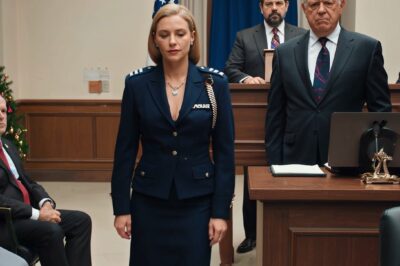
When I Came Home from NATO Duty, I Didn’t Expect My Own Father to Drag Me Into Court. He stood b
When I Came Home from NATO Duty, I Didn’t Expect My Own Father to Drag Me Into Court He stood…
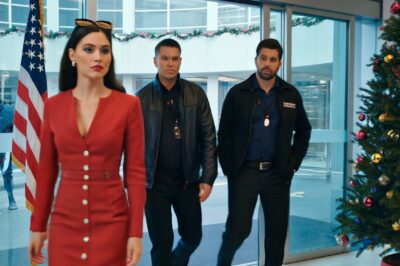
My Younger Brother Texted In The Group: “Don’t Come To The Weekend Barbecue. My New Wife Says You’ll Ruin The Whole Party.” My Parents Spammed Likes. I Just Replied: “Understood.” The Next Morning, When My Brother And His Wife Walked Into My Office And Saw Me…
My younger brother texted: “Don’t come to the BBQ.” Until my brother and wife step into my office… When your…
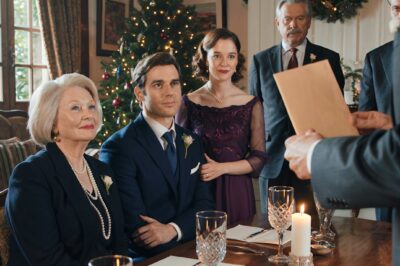
At The Inheritance Meeting, My Daughter-In-Law Shouted Proudly: ‘My Father-In-Law Left Us The Seven Miami Houses. Ella, Too Bad, You Only Got The Shed In Mississippi.’ Everyone Applauded. I Just Smiled And Said: ‘Son… You Really Don’t
During the Inheritance Split My Daughter-In-Law Celebrated But I Smiled: “Son, You Still Don’t Know?” The words hit me like…
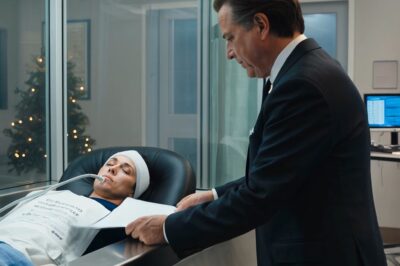
My Dad Said: “STOP TREATMENT — WE WON’T APPROVE THE SURGERY.” He Signed a DNR to Take Control of My $15M Inheritance
Some fathers protect their daughters—mine tried to sign my life away. A DNR, a $15M trust, and a coma became…
SEALs Laughed at Her Lipstick in Line — Until They Saw Her Patch: “ELITE MARKSMAN”. She walked into the Navy SEAL
SEALs Laughed at Her Lipstick in Line — Until They Saw Her Patch: “ELITE MARKSMAN” She walked into the Navy…
End of content
No more pages to load